Deploying AI in the cloud is convenient and streamlines operations. However, this approach may not be suitable for SMEs facing compliance, privacy, and budget constraints. AI deployments in an air-gapped environment may be suitable to decrease the risk of data leaks and unpredictable cloud costs. CIOs can help their SMEs to maintain full control over data, cost, and regulatory alignment without cloud exposure by using air-gapped environments.
AI tools are flooding the market due to the current AI boom. It becomes harder for SMEs to discover suitable tools for their needs in this crowded marketplace of tools. A well-structured AI technology radar can help provide direction and reduce adoption risks. This allows CIOs and SMEs to save resources, reduce budgets, and embrace AI tools that provide the best ROI.
AI continues to advance the speed and accuracy of healthcare delivery. Google’s MedGemma and MedSigLIP are new open-weight models tailored for medical use. Unlike general-purpose AI, these specialized models help minimize hallucinations. IT leaders in small and medium-sized medical practices can look at these specialized models to deploy safer and more reliable AI-driven support for healthcare professionals.
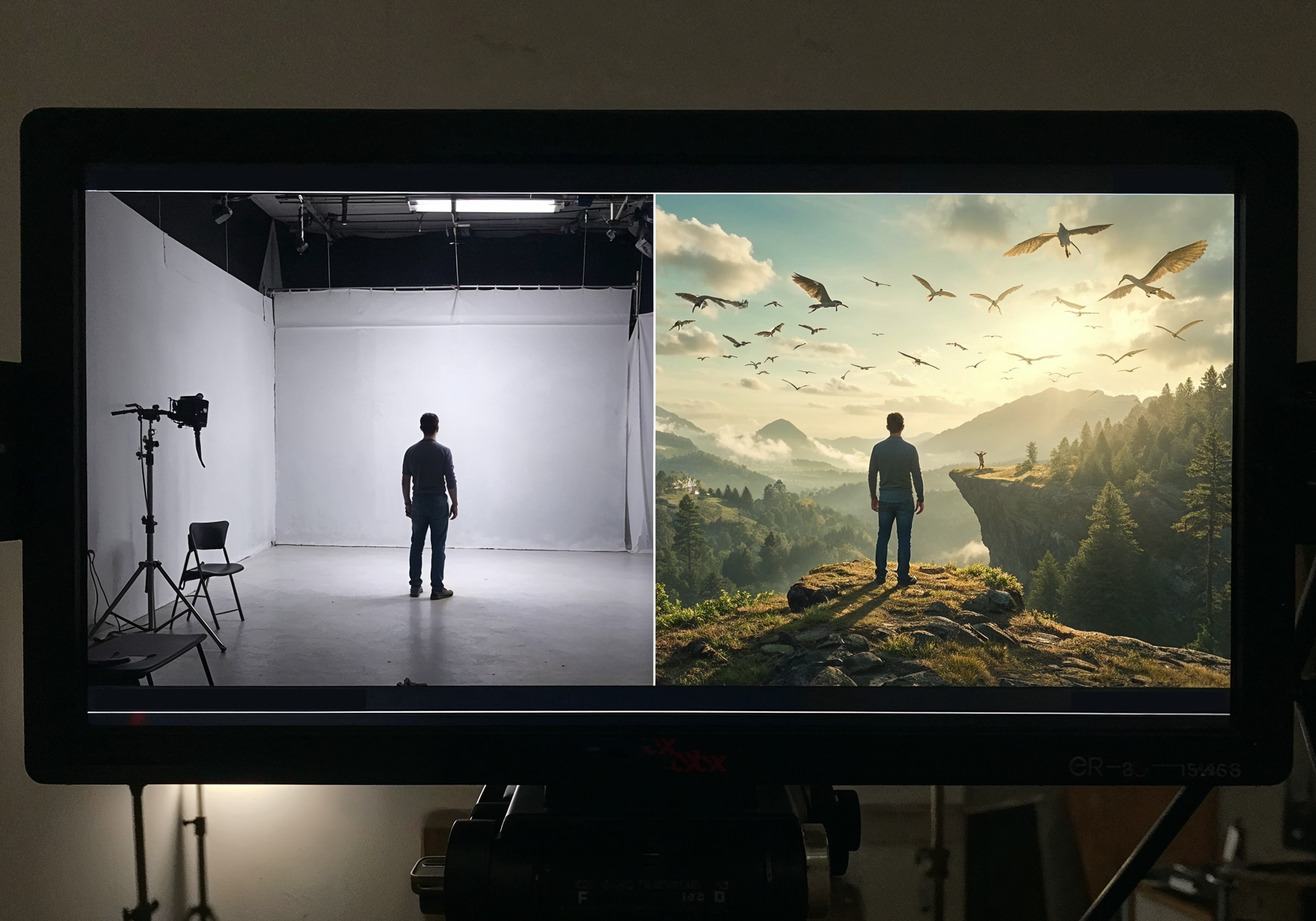
AI-generated visual effects (VFX) are reducing production budgets and timelines for large production studios. These visual effects can range from replacing a green screen with a desired environment to generating explosions for an action scene. With AI, video editors and content creators in media houses can punch above their weight and create high-quality visual effects once out of reach due to budget and in-house tech limitations.
Auditing bias in large language models (LLMs) is not just a technical requirement; it is mission-critical for fair, trusted AI. Biased models can lead to regulatory penalties, financial loss, reputational damage, and eroded trust. IT leaders and AI teams in SMEs must understand how to detect biases in data and models to create more trustworthy AI systems.
Zero-click search now acts as the main web search method, serving users instant answers without a single site visit. Businesses can no longer rely only on SEO for effective online visibility. Marketing managers, along with web developers and content creators, must understand zero-click search dynamics to preserve visibility and digital value.
Organizations moving to DevSecOps face challenges such as limited resources and the need for multifaceted expertise. Integrating Large Language Models (LLMs) into DevSecOps can enhance automation, reduce manual errors, and augment human capacity. Tech leaders and security experts should strategically leverage LLMs within their DevSecOps frameworks to enhance operational efficiency and drive innovation while ensuring robust security throughout the development process.
The gaming industry is lucrative and saturated with many game studios. A major challenge faced by game studios is development time. AI game engines improve on traditional game engines by automatically generating a game, decreasing development time, and enhancing realism. Decision-makers at game studios should pay attention to AI game engines and start planning for their use soon.
The Model Context Protocol (MCP) is an open standard developed by Anthropic for communication between AI models and data sources. It eliminates the need for developers to build custom connections for each new data source, tool, and API. AI developers can look to MCP to simplify development and improve interoperability for their AI systems.
As AI systems scale into production, traditional validation practices may fall short. The OWASP AI Testing Guide (AITG) provides a structured framework for testing AI-specific risks, from adversarial threats to infrastructure vulnerabilities. CISOs should review OWASP’s AI Testing Guide to help ensure secure and responsible AI deployment.